

VR Training vs Traditional Training
How Traditional Trade Training Works
Most people think of trade school as a campus, a shop, and a set class schedule. You show up in person, practice on equipment in a training space, and work through the program over a longer stretch of time. For some careers that can mean a two- to four-year path before you’re ready to work in the field.
That setup works well for plenty of people. It also means you need to live near a school, fit your life around fixed class times, and wait a while before you’re earning in your new career.
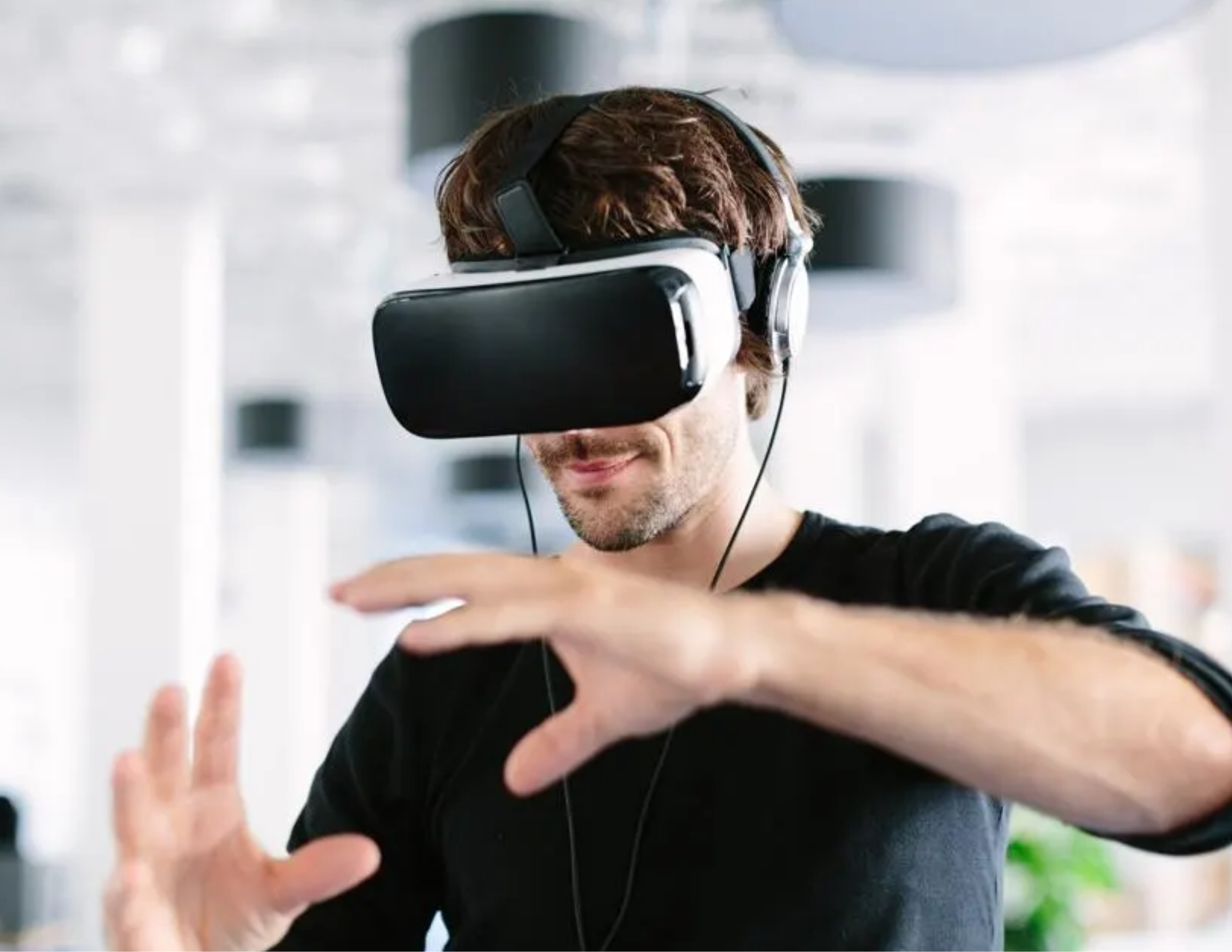
How VR Training Works at Virtual Trade Academy
Virtual Trade Academy is an online trade school licensed by the South Carolina Commission on Higher Education. Instead of learning only from reading and videos, students practice in virtual reality labs that simulate real repair and installation work.
You put on a VR headset and work through the kinds of tasks a technician handles on the job. You can repeat a task as many times as you need, and you can make a mistake without damaging real equipment or wasting materials. Lessons and coursework happen online, so you can learn the concepts and then practice them hands-on.

Time to Certification: Months vs. Years
Our programs are built to get you certified in months, not years. Many students finish in six months or less, which is much shorter than a traditional two- to four-year degree.
A shorter timeline means you can start working in your field sooner. It also keeps training from taking over your life for years at a time. Exact timelines vary by program, so check the page for the trade you’re interested in.

What It Costs and How Funding Fits In
Training costs are one of the biggest questions for new students. Virtual Trade Academy programs are eligible for funding through the Workforce Innovation and Opportunity Act, also called WIOA. It’s a federal law that pays for job training for people who qualify, usually at no cost to the student.
Adults, dislocated workers, youth, and people with disabilities can all qualify under WIOA. For eligible students, the funded package can include the computer and VR gear used for training. Our team can help you find out whether you’re eligible and walk you through the paperwork. Funding is handled locally through SC Works centers.
Train From Anywhere, Start Any Month
All of our training is online, so you don’t need to live near a campus or commute to a shop. If you have a computer, an internet connection, and space to use a VR headset, you can train from home.
We offer monthly start dates, so you don’t have to wait for a fall or spring semester to begin. If you’re ready to get going, you can usually start within weeks of enrolling.

Hands-On Practice Without Needing a Shop
Trades are hands-on work, and that’s the part people worry about most with online learning. VR labs are how we handle it. Students practice realistic repair and installation tasks in a simulated environment, building familiarity with the steps, tools, and equipment before they ever touch the real thing.
You don’t need your own workshop or a stockpile of equipment. The lab comes with the headset.
Credentials You Can Prepare For
Employers in the trades often look for industry credentials, and our programs are designed to help students get ready for them. Depending on the program, that can include safety training and exam preparation for widely recognized certifications.
Each program page lists the credentials it covers and whether they’re included as training, exam prep, or a certificate of completion. That way you know what you’re working toward and what you’ll need to do next.

Credentials You Can Prepare For
-
VR trade training uses a virtual reality headset to simulate real repair and installation work. Students practice hands-on skills in a virtual lab alongside their online coursework.
-
No. Our programs are built for new students, and you learn the basics as you go.
-
For students whose training is funded through WIOA, a computer and VR gear can be included in the funded package. Our team can confirm what applies to you.
-
Traditional programs are usually in person and can take a couple of years or more. VR training is online, starts every month, and is designed to get you certified in months.
-
Yes. Virtual Trade Academy is licensed by the South Carolina Commission on Higher Education.
-
Fill out the contact form, and one of our consultants will reach out to talk through programs, eligibility, and start dates.